

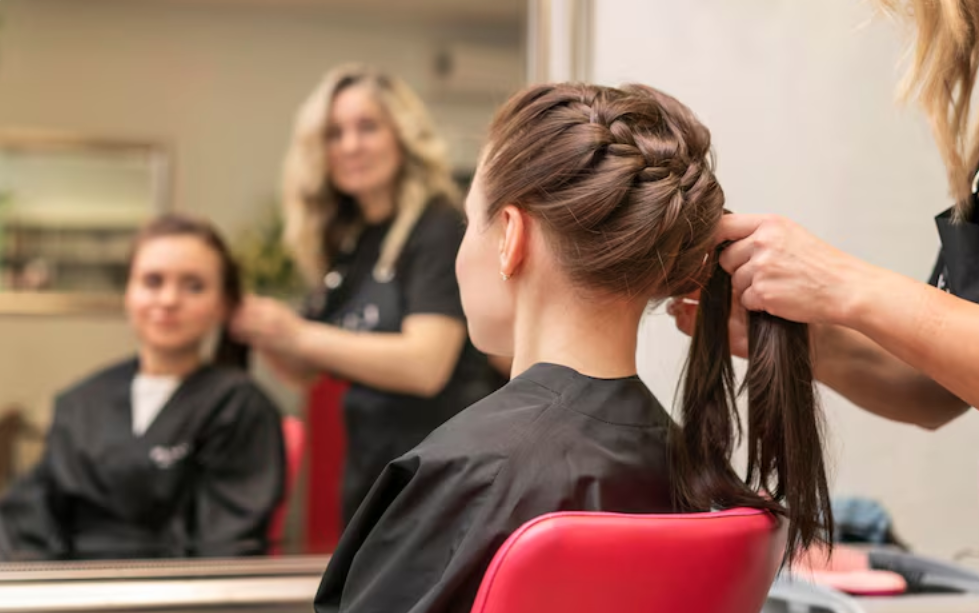
A professional career in hair styling is more achievable than ever in Australia, especially with rising demand for skilled stylists in salons, bridal services, beauty events, and freelance platforms. Whether you’re new to the beauty industry or considering a career change, enrolling in a hair styling course gives you the training, technique and confidence needed to succeed.
Modern clients expect more than a quick blow‑dry or basic braid. They want style, longevity, finesse and professionalism — and a well-structured hair styling course arms you with precisely that: correct technique, hygiene, creativity and up-to-date styling knowledge.
This article explores how a good hair styling course offers a solid pathway into Australia’s beauty sector, why industry demand supports this path, and what makes professional training an investment worth making — especially when delivered by a dedicated training provider like Australian Beauty School.
Why Formal Training Matters in Styling
Many aspiring stylists start by learning from friends, family, or by watching random online videos. While that may build some skills, professional success usually depends on structured training rather than trial-and-error. A hair styling course gives you formal instruction, enabling consistent, high-quality results that clients expect.
These courses teach you:
- Correct sectioning and blow-drying techniques
- Heat-tool usage (curlers, straighteners, dryers)
- Up‑styling and event hairstyles — weddings, parties, formal events
- Braiding techniques — modern and classic
- Product knowledge and hair care readiness
- Hygiene and client-safe practices
- Client communication, timing, and efficient workflow
Completing a recognised hair styling course shows clients and employers that you’re not just self-taught — but trained, disciplined, and committed to high standards.
Career Opportunities with a Hair Styling Course
Australia’s beauty industry continues to grow, with increasing demand for stylists in cities and regional areas alike. The broader beauty sector shows stable growth, according to national job outlook data. You can review labour market projections on the Job Outlook Australia page.
Having a professional hair styling background widens your career possibilities. After completing the course, you might work as:
- A freelance bridal or event stylist
- A mobile stylist visiting clients at home or venues
- A stylist in a salon focusing on styling (not cutting or colouring)
- A photoshoot or editorial stylist for fashion, modelling or media
- A makeup-and-hair stylist offering full-service packages
- An assistant stylist in creative agencies or theatre / entertainment
Whether you aim to build a full-time career or start part-time, the flexibility of styling work — especially freelance or mobile work — can make this a highly rewarding path.
What You Learn: Core Technical Skills & Creative Versatility
A quality hair styling course offers layered training, covering everything from basics to advanced styling. Here are typical key areas of learning:
Hair Preparation & Assessment
Before styling, you must assess hair type, texture, density and condition. Courses teach how to clean, prep and treat hair so styling outcomes are optimal and long-lasting.
Tool & Heat Management
One of the central elements is mastering styling tools: blow‑dryers, straighteners, curling wands, hot brushes. You learn how to:
- Control temperature safely
- Curl or straighten with precision
- Protect hair from damage
- Achieve volume, smoothness or texture as required
Sectioning, Guiding & Structuring Styles
Professional-level sectioning ensures balance and symmetry. Students learn to create clean partings and use guides, which are essential for up-styles, curls and complex braids.
Curling, Waves, Volume & Texture Work
From soft waves to tight curls, a hair styling course shows how to:
- Choose suitable curling methods per hair type
- Alternate curl directions to avoid “clumping”
- Maintain curl longevity
- Use brushes or combs to finish for natural movement
Braiding Techniques & Advanced Patterns
Braids are a staple in modern styling. You’ll master:
- Traditional braids (French, Dutch, fishtail, rope)
- Boho and textured braids
- Half-up braided styles
- Incorporating braids into up‑dos or event hairstyles
Up‑Styling, Formal & Bridal Looks
Probably the most in-demand skill set: up‑styling. A hair styling course teaches you how to build structured, camera-ready hairstyles such as buns, chignons, twisted styles, romantic up‑dos, and formal event looks. You also learn to adapt styles for face shape, hair length, and client preferences.
Blow‑Drying & Polished Finishes
A professional blow‑dry is more than drying hair — it gives smoothness, volume, body, shape, and movement. Students learn round-brush techniques, root-lift, smooth finishes, and how to polish final styles without damaging hair.
Finishing, Product Use & Photography-Ready Styling
Styling isn’t complete until you finish properly. Course modules cover:
- Product selection (sprays, serums, texturisers)
- Flyaway control
- Shine balance
- Style longevity
- Photography-ready finishes (for portfolios, social media, client previews)
Building Confidence, Consistency & Portfolio Through Training
A hair styling course helps transform uncertainty into consistency. You learn how to:
- Analyse hair and clients’ needs
- Adapt stylings per hair type and texture
- Work efficiently under time pressure
- Produce consistent results every time
As you practice on mannequins and (later) real models, you build a catalogue of looks. This portfolio becomes your strongest asset when starting freelance work, applying for salon positions, or marketing to clients.
Complement Your Course with a Professional Tutorial
Visual learning greatly enhances skill development. Alongside your course, following experienced stylists helps refine technique, speed and creative flair. Try this tutorial as part of your practice routine:
Hairstyling Demo – Professional Hair Styling for Events & Weddings
Using such tutorials alongside your course helps reinforce what you learn in theory and during practice.
Turning Certification into Business: Freelance & Mobile Styling
Once trained, many stylists choose freelance or mobile work — especially for events, weddings and shoots. Here’s how a hair styling course sets you up to launch:
- Portfolio Ready — You already have photos of varied styles from your practice sessions.
- Service Menu — Offer styling‑only services: bridal, event hair, up‑dos, blow‑outs, braids, formal styling. Many clients only need styling — no cutting or colouring.
- Flexible Schedule — Mobile or freelance styling offers flexibility to work evenings, weekends or around other commitments.
- Lower Startup Costs — Without the need for salon infrastructure, you mainly need tools, transport, and marketing.
- Strong Demand — Weddings, events, photoshoots and formals consistently need skilled stylists.
This pathway is attractive for many — especially those who value creativity, flexibility and independence.
Why Investing in a Hair Styling Course Is Worth It
Choosing to train via a hair styling course is an investment in your future. Here’s why it’s worth considering:
- You gain structured learning rather than random trial and error.
- You build a versatile skill set applicable across many styling demands (bridal, editorial, everyday, formal).
- You create a professional portfolio while learning — not after.
- You have freelance and mobile flexibility, giving you agency over work schedule and clients.
- You meet industry expectations for professionalism, hygiene and styling quality — important for client trust and repeat business.
If you plan to expand later — maybe into cutting or colouring — starting with a hair styling course gives a strong foundation and helps you make an informed decision about further training.
Final Thoughts
Completing a hair styling course is more than just a training step — it’s a launchpad for a professional career in Australia’s booming beauty industry. It gives you technical expertise, creative control, a strong portfolio and a flexible path forward.
Whether you aim to work in a salon, operate as a mobile stylist, specialise in bridal work or build a freelance business, the right training equips you to offer high-quality, reliable, client‑ready styling services.